
Intel Atom N450 Graphics Driver
• 441-ball Intel Atom was the brand name for a line of. Atom is mainly used in,, embedded applications ranging from health care to advanced robotics, and (MIDs). The line was originally designed in complementary metal–oxide–semiconductor () technology and subsequent models, codenamed Cedar, used a process. The first generation of Atom are based on the. On December 21, 2009, Intel announced the Pine Trail platform, including new Atom processor code-named Pineview (Atom N450), with total down 20%. On December 28, 2011, Intel updated the Atom line with the Cedar processors. In December 2012, Intel launched the 64-bit Centerton family of Atom CPUs, designed specifically for use in.
Centerton adds features previously unavailable in Atom processors, such as technology and support for. On September 4, 2013 Intel launched a successor to Centerton, codenamed. In 2012, Intel announced a new (SoC) platform designed for smartphones and tablets which would use the Atom line of CPUs. It was a continuation of the partnership announced by Intel and on September 13, 2011 to provide support for the operating system on Intel x86 processors. This range competed with existing SoCs developed for the smartphone and tablet market from companies like,,.
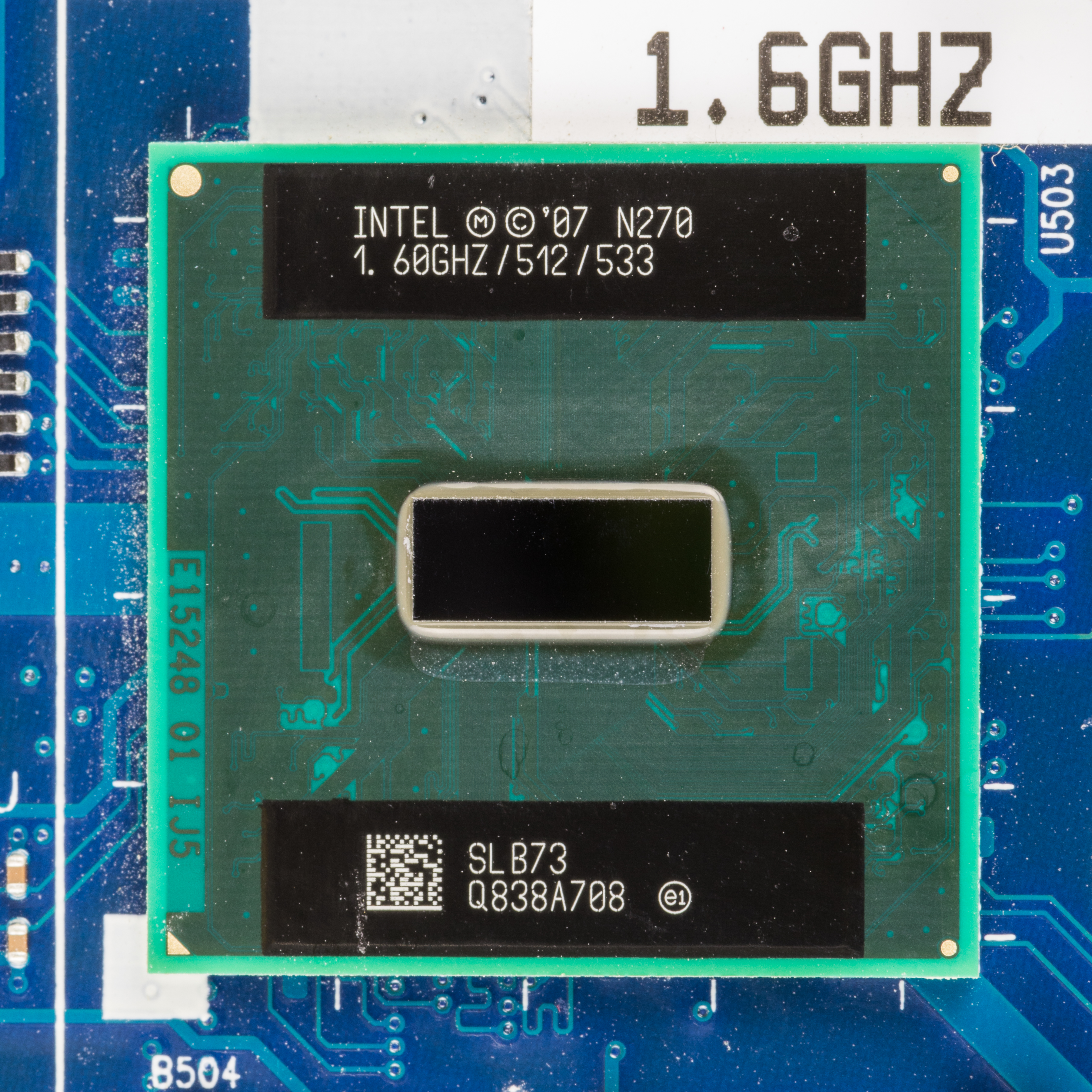
May 2, 2017 - This driver is written specifically for Intel Atom processor based systems with the Intel Graphics Media Accelerator 3150. View the README file. Downloads for Intel HD Graphics for Intel Atom Processor. Install a Driver in Microsoft Windows 8*. Free intel r atom tm cpu n270 download - intel r atom tm cpu n270 driver - Top 4 Download - Top4Download.com offers free software downloads for Windows, Mac, iOS. Free intel atom n450 download - intel atom n450 driver.
On April 29, 2016, Intel announced the decision to cancel the Broxton SoC for Smartphones and Tablets. Broxton was to use the newest Atom microarchitecture (Goldmont on a 14 nm node) in combination with an Intel modem.
Disk drill 2 0 362 serial killers free. Apollo Lake, announced early the same month for low-cost entry PCs, will continue using Atom cores. Intel Atom N2800 Intel Atom is a direct successor of the Intel A100 and A110 low-power microprocessors (code-named ), which were built on a 90 nm process, had 512 kB L2 cache and ran at 600 MHz/800 MHz with 3 W. Prior to the Silverthorne announcement, outside sources had speculated that Atom would compete with 's processors, used by the (OLPC) project, and other cost and power sensitive applications for processors. However, Intel revealed on October 15, 2007 that it was developing another new mobile processor, codenamed Diamondville, for OLPC-type devices. 'Atom' was the name under which Silverthorne would be sold, while the supporting chipset formerly code-named was called Atom. At Spring (IDF) 2008 in, Intel officially announced that Silverthorne and Diamondville are based on the same microarchitecture.
Silverthorne would be called the Atom Z5xx series and Diamondville would be called the Atom N2xx series. The more expensive lower-power Silverthorne parts was to be used in Intel (MIDs) whereas Diamondville was to be used in low-cost desktop and notebooks. Several samples have also been revealed. Intel and also jointly announced an Atom powered MID called the U8. In April 2008, a MID development kit was announced by Sophia Systems and the first board called -ECO was revealed by a German company LiPPERT Embedded Computers, GmbH. Intel offers Atom based motherboards.
In December 2012, Intel released Atom for servers, the S1200 series. The primary difference between these processors and all prior versions, is that memory support has been added, enabling the use of the Atom in mission-critical server environments that demand redundancy and memory failure protection. Missing or empty title= () • ^ Anand Lal Shimpi. From the original on April 29, 2014. Retrieved December 28, 2011.
The recordings and incoming CAN messages can be filtered using various criteria. Pcan explorer 5. Special requirements, as well as the automation of complex processes can be implemented using macros. The sophisticated implementation of VBScript accesses the extensive object model of the PCAN-Explorer 6.